Family-owned since 2014 · 4.99 ★ × 463 reviews · 20,000+ jobs
Greenhouse Removal in Connecticut
Glass, polycarbonate, and hoop houses — glazing out pane by pane, frame recycled, ground swept clean. Fixed quote at a free walkthrough.
20,000+
jobs completed
4.99 ★
463 reviews
Family-owned
since 2014 (12 years)
Licensed & insured
in Connecticut & New York
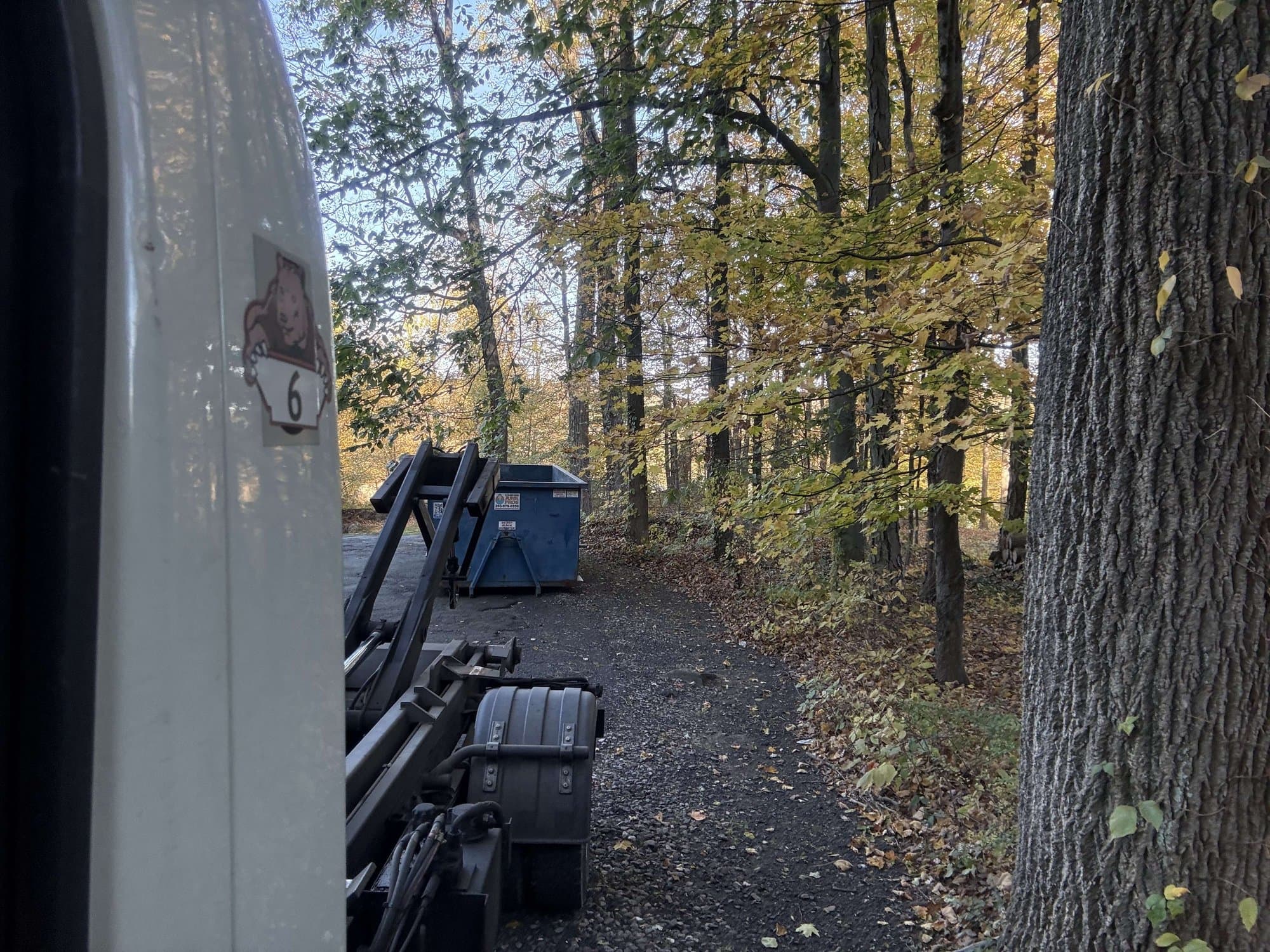
A greenhouse at the end of its life is a uniquely awkward thing to own: too fragile to ignore, too sharp to bully apart with a sledgehammer, and made of a material no curbside pickup will touch. We dismantle them — glass, polycarbonate, and film-covered hoop houses alike — across Fairfield, New Haven, Hartford, Litchfield, and Middlesex counties, the lower New London shoreline, and the Westchester border towns, with a fixed written price at a free walkthrough before anything is scheduled.
Greenhouse work is quoted per job rather than from a published floor — the honest reason is on this page — but the pricing discipline is the same as everything else we demo: the number you approve on site is the number on the invoice.
Glazing first: the whole job in one word
A greenhouse is a skeleton wearing a hundred panes, and the panes dictate everything. Teardown starts with the glazing, always, and how it comes out depends on what it is:
Glass gets removed pane by pane. Panels that release from their clips come out whole and stack; panels that are painted in, cracked, or puttied since the Nixon administration get broken deliberately — into a lined bin, under control, wearing the right gloves. The alternative, dropping a framed wall of glass and hoping, is how other people's teardown stories end in the ER. When the frame finally moves, every pane is already gone.
Twin-wall polycarbonate is the kinder material — light, shatter-resistant in its youth — but a decade of UV turns it brittle, and cold-weather removals crack like ice. Big sheets, careful hands, bulk disposal.
Film over hoops is the sprint version: strip, bag, drop the hoops, recycle the tubing.
After any glass job, the footprint gets a hard sweep — tarps down during work, magnet-and-rake pass after — because this ground is usually going back to growing things, and glass has a long memory.
Why this page has no price grid
Every other structure on our demolition menu carries a published starting price. Greenhouses don't, and it's worth saying why instead of hiding it: the category is too wide for a floor to be honest. A 6x8 aluminum hobby kit is an easy morning; a 30-foot glazed lean-to with a masonry knee wall and three hundred panes is a genuinely different job that happens to share a word with it. One published number would either scare off the small jobs or lowball the big ones.
So greenhouse work runs quote-only: we walk it, we count panes and check the frame and the foundation, and you get a fixed price in writing on the spot — the same up-front pricing promise as every published tier, minus the theater of a floor that fits nobody. Photos to (203) 219-8855 get you a rough verbal range before we ever drive out, if you want a sanity check first.
The frame, the foundation, and what's left
Once the glazing is out, the rest moves fast. Aluminum frames unbolt into clean extrusion lengths — and aluminum is proper scrap, so most of a glass house's structure leaves as recycling rather than waste. Steel hoop tubing follows the same route. Rotted timber frames ride to the transfer station with the rest of our demo loads.
At ground level, the standing rules: timber sills and wooden knee walls can come out with the job; masonry and poured concrete stay in place — same no-concrete-hauling line we hold on garage slabs. A low brick ring where a greenhouse stood makes a ready-made raised bed, which is the rare demolition leftover that's actually an upgrade. Benches, pots, and irrigation gear can join the load; fertilizers and pesticides route through your town's hazardous-waste program instead. Wired for fans or heat? Licensed electrician kills the feed before we start — verified, per the same rule as every powered structure we touch.
Greenhouse past its growing days?
Free walkthrough, pane count included, fixed price in writing.
Five steps, glazing to bare ground
- Call (203) 219-8855 or send the demolition quote form. Glass, polycarbonate, or film; rough dimensions; what it sits on. Photos get you a ballpark before the visit.
- Walkthrough. Panes counted, frame and foundation checked, contents discussed, fixed price in writing.
- Schedule. Most greenhouse jobs book within the week; we avoid hard-freeze days for brittle-glazing teardowns when we can.
- Teardown day. Glazing out first, frame down after, half-day to a day for most residential structures.
- Sweep and haul. Tarp pass, magnet pass, aluminum and steel to recycling, glazing and debris to licensed CT transfer stations. Disposal is inside the fixed price.
Scope, greenhouse edition
Standalone greenhouses only — a glazed structure attached to the house is a conservatory, and removing one opens the building envelope, which puts it in general-contractor territory alongside attached sunrooms. No electrical disconnects by us (licensed trade, verified done), no concrete or masonry hauling, no pesticide or fertilizer transport. Permits at greenhouse scale are rare, but where your town wants paperwork, it rides with the homeowner — we flag, you confirm. Full scope: demolition overview.
Greenhouse removal FAQs
How is the glass handled during teardown?
Panel by panel, before the frame moves an inch. Glazed panels come out whole where the glazing clips allow, and get broken deliberately into a lined container where they don't — controlled breakage into a bin beats surprise breakage over a crew member's head every time. Either way, the ground gets a tarp-and-sweep treatment, because a greenhouse footprint that grows tomatoes shouldn't grow glass splinters. The glass itself is disposal, not recycling: transfer stations treat pane glass as waste, not as bottle-stream material.
Mine has polycarbonate panels, not glass. Easier?
Safer, yes; simpler, mostly. Twin-wall polycarbonate comes off in big light sheets that don't threaten anyone — but they're bulky, they don't recycle in practice, and after a decade of UV they crack into brittle shards with attitude, especially in cold weather. Film-covered hoop houses are the third variant and the fastest: film stripped and bagged, hoops unbolted or cut, done. Each glazing type gets quoted on its own reality at the walkthrough.
Why doesn't greenhouse removal have a published starting price?
Because the honest range is too wide to publish a floor that means anything. A 6x8 hobby kit and a 30-foot glass lean-to are both 'a greenhouse,' and pretending one number covers both would be the kind of starting-price theater we avoid. Instead: free walkthrough, fixed written price, same up-front discipline as every tier on our demolition price list — just quoted per job instead of from a published floor.
What happens to the aluminum frame?
Recycled — it's the redeeming feature of most greenhouse teardowns. Aluminum extrusion frames unbolt (or unseize, with persuasion) into clean scrap that goes straight into the metal stream, and steel hoop-house tubing follows the same path. On a glass house, most of the structure's weight leaves as recycling and only the glazing rides as waste.
Can you deal with the knee wall or foundation it sits on?
The structure comes down to the top of whatever it sits on. Timber sills and wooden knee walls can come out with the job. Masonry knee walls and concrete perimeter footings stay — our standing no-concrete-hauling rule applies to greenhouses the same as to garage slabs. Plenty of owners keep a low masonry ring as a raised-bed border, which is honestly the best retirement a greenhouse foundation can hope for.
What about the benches, pots, soil bags, and irrigation gear inside?
All of it can go on the same truck — staging benches, seed trays, empty pots, the irrigation spaghetti, the shade cloth. Bagged fertilizers and pesticides can't: those are hazardous-waste-collection items in any quantity worth mentioning, and your town's collection program is the route. If the greenhouse was wired for fans or heat mats, the usual rule applies — licensed electrician disconnects the feed before demo day.
How long does a greenhouse teardown take?
Most residential greenhouses are a half-day to a day: glazing out in the morning, frame down after, site swept before the crew leaves. Hoop houses run faster; large glass houses with hundreds of panes run longer and we'll say so at the walkthrough rather than let the day surprise anyone.
Related demolition pages
- Demolition overview — the full menu and every published starting price
- Shed removal — when the "greenhouse" is really a potting shed with windows
- Gazebo & pergola removal — the neighboring garden-structure trade
- Sunroom removal — the attached-glazing cousin and where that line sits
- Junk removal — for pots, benches, and gear without a structure attached
Get a greenhouse removal quote
Call (203) 219-8855 or text photos for a ballpark before the walkthrough. Phones answered 8 AM – 10 PM, 7 days; live team Mon–Fri 8 AM – 4 PM, AI phone assistant other times.